August 26, 2026
Buying a New Construction Home in Central Kentucky
A practical guide to buying a new construction home in Central Kentucky. What buyers should know about builder representation, contracts, inspections, financing, and incentives.

Daniel David
Founder, Make Kentucky Home Group at eXp Realty
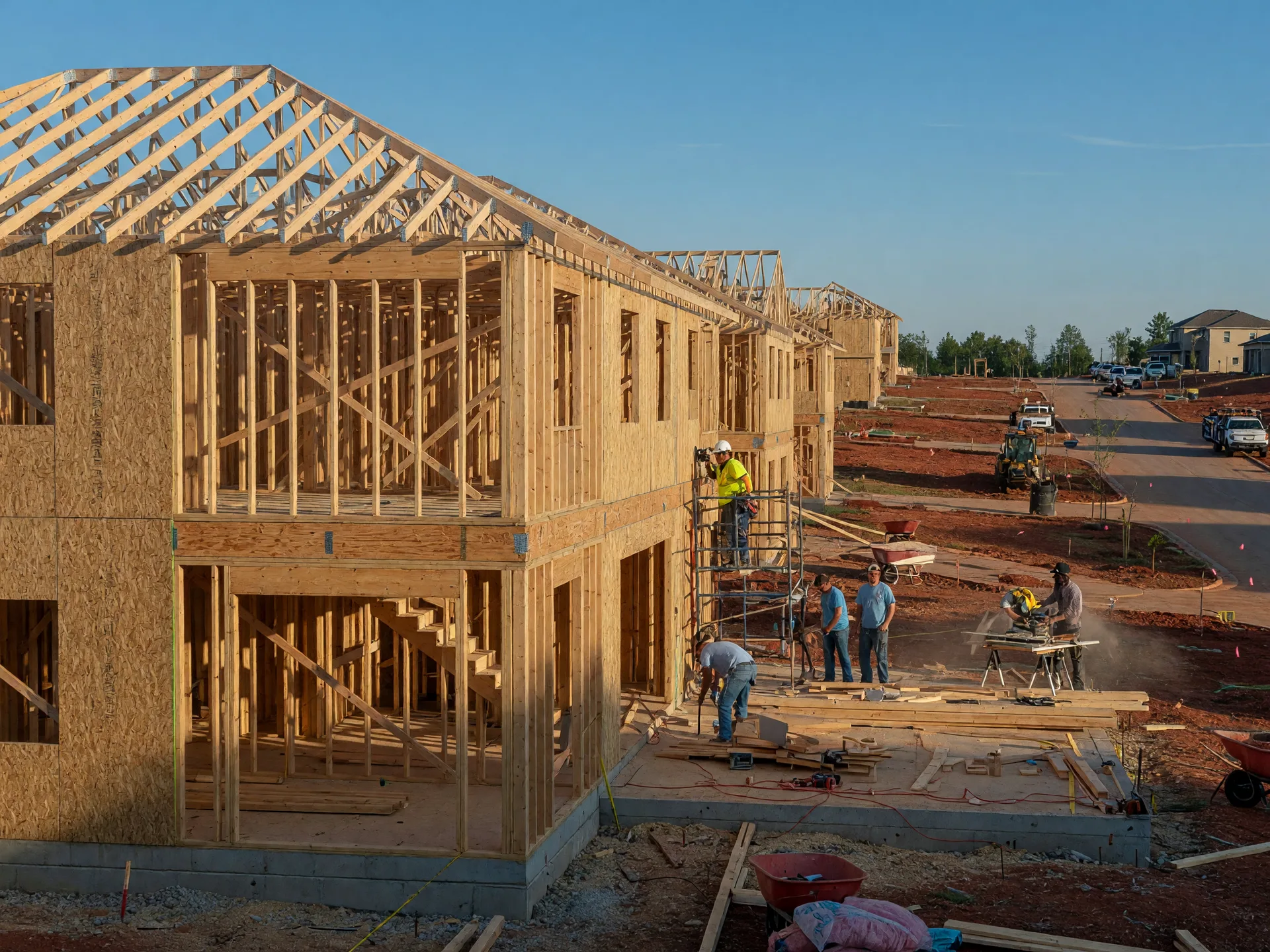
Buying a new construction home comes with its own process
A new construction purchase is different from buying an existing home. The builder is the seller, the contract terms are typically the builder's standard form, and there are additional steps involving design selections, construction timelines, and inspections. Here is what Central Kentucky buyers should understand.
Do you need your own agent?
The builder's on-site sales representative's role and any agency relationship depend on who they represent in that transaction and how the relationship is documented. A buyer should confirm who the on-site representative represents and consider whether to have their own representation.
Under 201 KAR 11:121, licensees provide agency and disclosure documents such as the Guide to Agency Relationships and, where applicable, an Agency Consent Agreement (buyer or seller forms) to document the agency relationship. Agent and buyer relationships can be documented differently, and the buyer should review and understand the documents. A buyer who engages their own agent represents their interests in the transaction and can help with negotiations, contract review, and inspections. Discuss the specifics with your agent.
The builder's contract
New construction contracts are typically prepared by the builder and may include terms that favor the builder. Key items to review include:
- Price and deposit structure. When is the deposit due, is it refundable, and under what circumstances?
- Completion timeline. What is the estimated completion date? What happens if the builder delays?
- Change order process. How are changes to finishes, floor plans, or materials handled, and what do they cost?
- Warranty terms. What warranties are provided on construction, materials, and systems? What is excluded?
- Arbitration clauses. Does the contract require arbitration instead of court for disputes?
- Closing date and extensions. When is closing expected, and can the builder extend it?
Kentucky real estate closings are commonly handled with the involvement of an attorney. You should discuss the closing process and who represents you with your agent and, where appropriate, an attorney. Having an attorney review the builder's contract is strongly recommended.
Financing a new construction home
New construction financing works differently than buying an existing home. Options include:
- Builder-affiliated lender. Many builders offer financing incentives through their preferred lender, such as rate buydowns or closing cost credits. These can be valuable, but compare the terms with outside lenders to understand the true cost. Incentives vary by builder and transaction and should be verified with the builder and lender.
- Outside lender. Using your own lender gives you independent advice and may offer better terms depending on market conditions.
- Construction-to-permanent loan. If you are building on your own lot with a custom builder, you may need a construction loan that converts to a permanent mortgage after completion.
The builder's incentives often come with conditions. Read the fine print and ask what changes if you use a different lender.
Inspections matter for new construction too
A new home does not mean a perfect home. Independent inspections are recommended even for new construction. Kentucky home inspectors are licensed under 831 KAR 2:020 and KRS 198B.700 et seq., and inspections should follow the applicable Standards of Practice. A qualified inspector can identify:
- Construction defects or incomplete work
- Code violations
- Issues with HVAC, plumbing, or electrical systems
- Foundation or grading concerns
- Roofing or siding problems
Most builder contracts allow for inspections at specific stages of construction. Ask about the builder's inspection policy before signing.
Certificate of Occupancy
Local building officials and the Kentucky Building Code (KRS 198B.050) address construction standards and can require a certificate of occupancy before occupancy of a newly built structure. Your agent and attorney can help confirm what is required with the local building official.
Construction defect protections
Under KRS 413.135, time limits can apply to claims for construction defects. The general limitation period is seven years from substantial completion, with an extension in certain circumstances to a total of eight years for damages arising in the seventh year. A buyer should discuss any concerns with an attorney.
Builder incentives
Builders often offer incentives to attract buyers. Common incentives include rate buydowns, closing cost assistance, free upgrades, or design credits. Incentives vary by builder, community, and market conditions and should be verified with the builder and lender. Your agent can help you evaluate whether the incentive is genuinely valuable or built into the price.
Next step
Whether you are considering a specific new home community or just beginning to explore new construction options, Daniel can help you understand the process, evaluate builders and contracts, and make sure your interests are protected from the start.

About Daniel David
Founder, Make Kentucky Home Group at eXp Realty
Daniel David is a Lexington native, Army veteran, and Realtor® who founded Make Kentucky Home Group at eXp Realty. His approach is straightforward: provide honest advice, explain the numbers, and help clients make smart real estate decisions without unnecessary sales pressure.
Read more