August 26, 2026
Can I Sell a House That Needs Major Repairs in Kentucky?
The short answer is yes. Here is what Central Kentucky homeowners should know about selling a property that needs significant work, including disclosure rules, as-is sales, and investor options.

Daniel David
Founder, Make Kentucky Home Group at eXp Realty
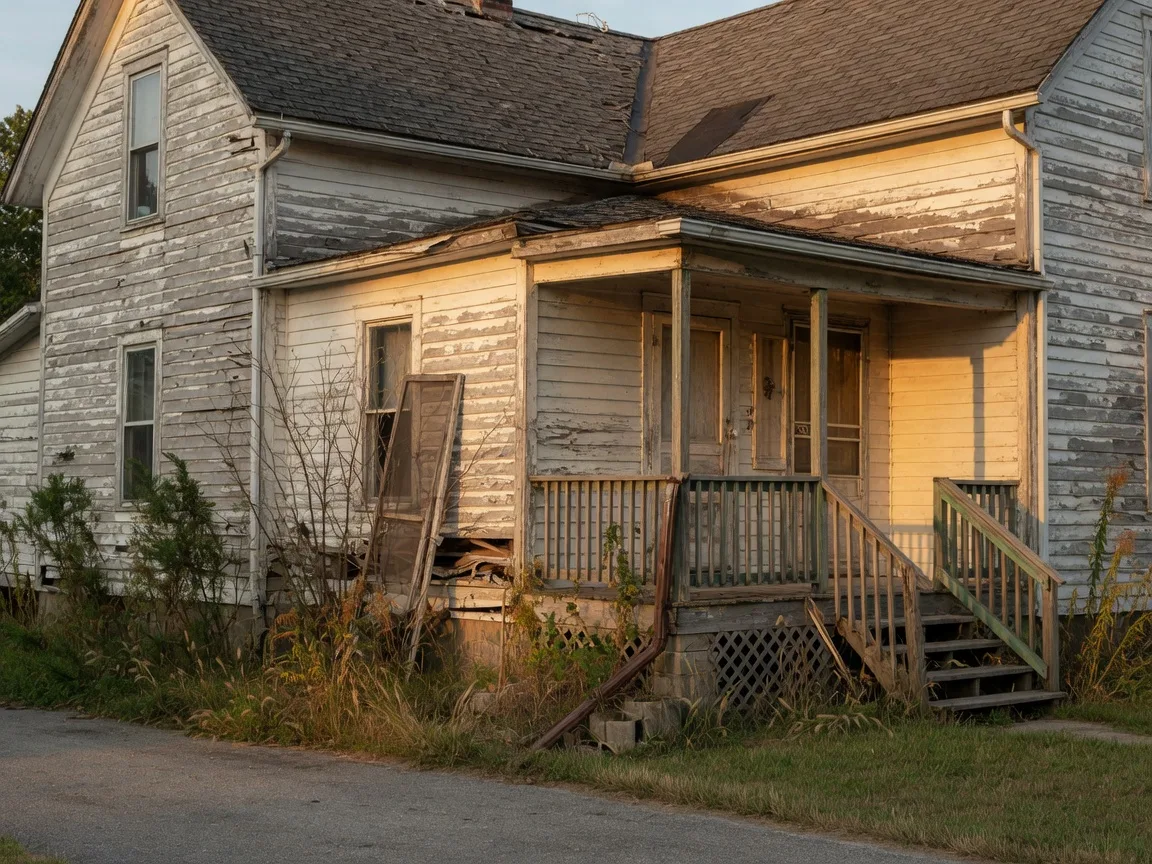
Selling a house that needs major repairs in Kentucky
A homeowner can generally consider selling a property that needs repairs. How the sale is structured depends on the property, the buyer, and the contract. Specific legal or property questions are best directed to an attorney.
The key question is how you sell it
There are two main paths for selling a home that needs repairs: a traditional sale and an as-is sale. The right choice depends on the property's condition, your timeline, your financial situation, and your goals.
As-is selling in Kentucky
Selling as-is means the buyer agrees to accept the property in its current condition, and the seller is not agreeing to make repairs as a condition of the sale. However, as-is does not mean no disclosure. Under KRS 324.360, sellers of single-family residential real estate where a person licensed under KRS Chapter 324 receives compensation are generally required to disclose known material defects on the Seller's Disclosure of Property Condition form, even when selling as-is. Certain transactions are excepted under subsection (7), including residential new-home purchases where a warranty is offered, sales at auction, and court-supervised foreclosures. The disclosure is based on the seller's knowledge and observation, not on a professional inspection. Sellers should confirm which requirements apply with their agent and attorney.
What happens with a traditional listing
In a traditional listing, the property is marketed to any buyer who may be interested, including buyers who plan to renovate. The seller may price the home accordingly to account for needed repairs. Buyers who use conventional financing or cash may be more flexible about condition. Buyers using FHA, VA, or USDA loans must meet minimum property standards, so significant issues may need to be addressed before those buyers can close.
How condition affects financing
Depending on the buyer's financing, certain property conditions may need to be addressed for that loan to proceed, and requirements can vary by program. A lender can provide current specifics.
- Cash buyers. Since there is no lender involved to condition the transaction on property condition, cash transactions may offer more flexibility in how property condition is handled. Specific requirements, if any, depend on the agreement between the parties.
- Conventional loans. An appraisal is typically required, and the appraiser may flag health or safety issues. Significant structural, electrical, or mechanical problems may need to be resolved before closing.
- FHA and VA loans. These government-backed loans have minimum property requirements. Peeling paint (in pre-1978 homes), broken windows, non-functional systems, and other safety issues generally need to be addressed. Major foundation, roof, or structural issues may also need repair. Confirming current requirements with a lender is recommended.
Selling to an investor
If a home needs extensive repairs that the seller cannot or does not want to handle, selling to an investor or cash buyer is one option. Sales to investors involve considerations that differ from a traditional retail transaction. A discussion with an agent can help you weigh the trade-offs for your particular situation.
The estate and repairs question
The estate may choose to evaluate repairs or improvements before listing based on the property's condition, expected buyer, available resources, timeline, and selling strategy.
What Daniel recommends
Daniel advises sellers to understand the trade-offs before deciding. Selling as-is or to an investor may be faster and require less upfront work, but it typically results in a lower sale price. Making strategic repairs and listing traditionally may yield a higher price but takes more time and money upfront.
A pre-listing consultation with Daniel can help you weigh these options based on your specific property and goals.
Disclosure considerations
Whatever path you choose, you will generally need to complete and provide the Kentucky Seller's Disclosure of Property Condition form when a licensed agent is involved in the transaction, subject to the exceptions noted above. Questions about disclosure obligations and potential legal implications should be discussed with an attorney.
Next steps
If you own a home in Central Kentucky that needs repairs and you are wondering what your options are, Daniel can walk through the property with you, discuss what comparable homes sell for in different conditions, and help you decide which selling strategy makes sense for your situation.

About Daniel David
Founder, Make Kentucky Home Group at eXp Realty
Daniel David is a Lexington native, Army veteran, and Realtor® who founded Make Kentucky Home Group at eXp Realty. His approach is straightforward: provide honest advice, explain the numbers, and help clients make smart real estate decisions without unnecessary sales pressure.
Read more